
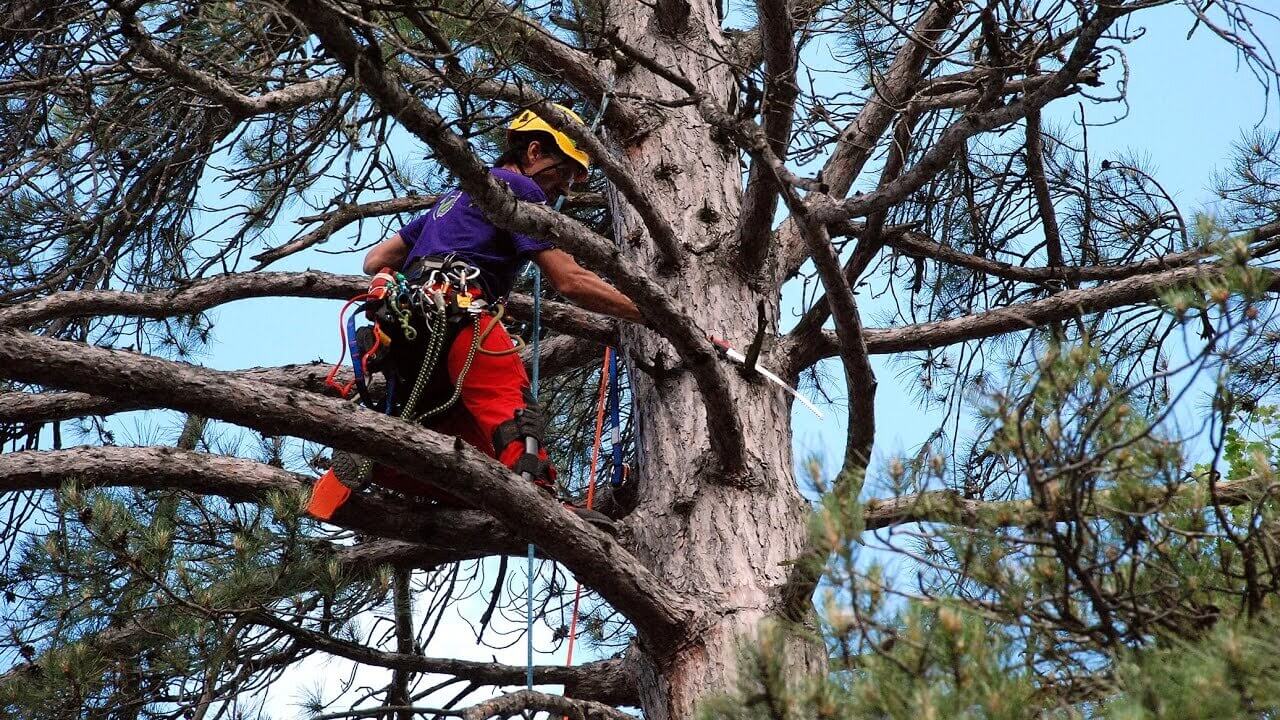
Why do homeowners book tree removal services in Sydney in the first place?
Most bookings come down to safety, damage, or unavoidable decline. Tree removal services in Sydney are often called after a tree starts leaning, dropping large limbs, or interfering with roofs and power lines.
Other common triggers include root damage to paths and pipes, trees that are dead or dying, and invasive species overwhelming a small garden. If there is doubt, a qualified arborist assessment can confirm whether removal is necessary.
How can a dangerous tree threaten the home, not just the garden?
A failing tree can damage roofs, gutters, fences, sheds, cars, and neighbouring property. Tree removal services in Sydney are frequently needed when limbs hang over bedrooms, driveways, or play areas. For homeowners dealing with hazardous trees, storm damage, or trees that have become unsafe due to age or disease, they can learn more about professional tree removal options more through experienced specialists who provide safe and efficient solutions across Sydney.
Roots can also lift paving, crack retaining walls, and block drainage lines. In tight Sydney blocks, a single fallen limb can cross boundaries in seconds. Acting early reduces the chance of emergency call-outs and costly insurance disputes.
What are the warning signs that a tree needs urgent attention?
Obvious signs include large dead branches, sudden lean, and cracks in the trunk or major limbs. Tree removal services in Sydney may be urgent if the tree has fungal brackets, hollowing, or soil heaving around the base.
After heavy rain, saturated soil can reduce root grip. After strong winds, branches can split and hang partially attached. If the tree is near power lines, homeowners should not attempt any DIY work and should seek professional advice immediately. “
When is removal better than pruning or tree lopping?
Removal makes sense when the tree is structurally compromised, dead, or unsuitable for its location. Tree removal services in Sydney are usually chosen when pruning would leave the tree unsafe or unbalanced.
Pruning can solve clearance problems, reduce weight on heavy limbs, and improve canopy health. But if decay is advanced, roots are causing major structural issues, or the species is inappropriate for the space, removal is often the safer long-term option.
What should homeowners expect from tree removal services in Sydney on the day?
A reputable crew will start with a safety brief, site check, and protection of nearby structures. Tree removal services in Sydney typically use rigging ropes, controlled cuts, and sectional dismantling, especially in small back gardens.
They may need access through side gates, driveways, or neighbouring property, depending on the job. Homeowners should expect noise, sawdust, and a clear exclusion zone. The aim is a controlled drop with minimal impact on surrounding plants and hardscapes. You may like to visit https://austin-homes-for-sale.org/stump-grinding-cost-sydney-price-breakdown/ to learn more about how much stump grinding costs in Sydney with this complete price breakdown.
Do homeowners need council approval in Sydney before removing a tree?
Sometimes, yes. Many areas have tree preservation rules, and approvals can depend on species, trunk size, and location. Tree removal services in Sydney often help clarify local requirements, but homeowners are still responsible for compliance.
Exemptions may apply for dead trees, immediate hazards, or certain invasive species, but documentation can matter. If a tree sits on a boundary or affects neighbours, written communication can prevent conflict later.
How do professionals keep removal safe near roofs, fences, and powerlines?
They plan the dismantle in sections and lower branches with rigging rather than dropping them. Tree removal services in Sydney rely on trained climbers, elevated work platforms where needed, and strict drop-zone control.
Work near powerlines is especially sensitive and may require coordination with the utility provider or specialist-qualified arborists. Safety is also about what happens on the ground: traffic management, spotters, and protecting fragile garden areas.
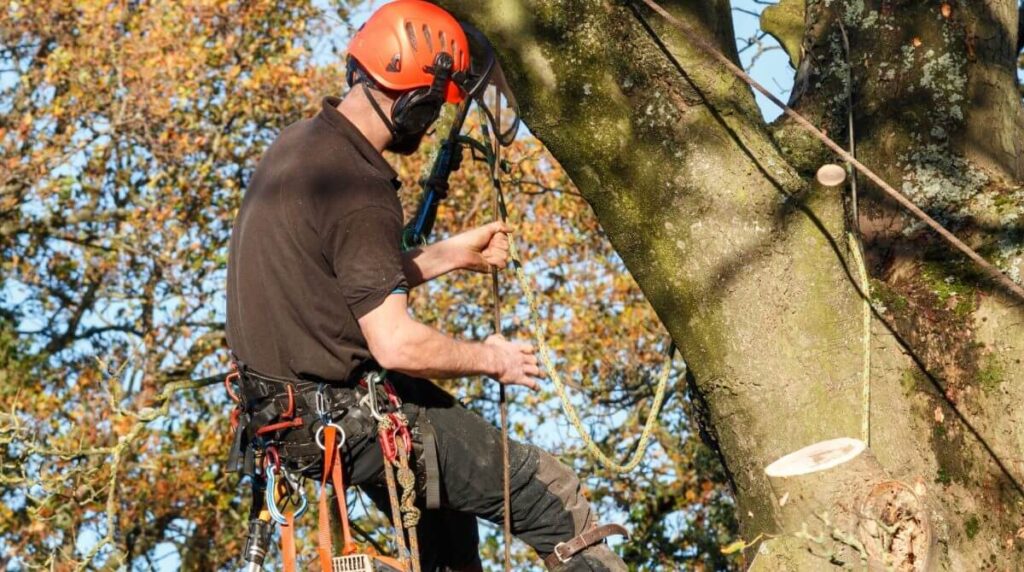
What happens to the stump, and why does it matter?
After removal, the stump can be left, ground down, or fully excavated. Tree removal services in Sydney commonly offer stump grinding because it reduces trip hazards and makes replanting or landscaping easier.
Leaving a stump can invite termites, fungal spread, and regrowth in some species. Grinding also helps prevent future root interference with garden beds and paving. Homeowners should ask how deep the grind will go based on planned use of the area.
How can homeowners protect the garden and plan what comes next?
Good planning starts before the saw turns on. Tree removal services in Sydney can minimise collateral damage with mats, careful lowering, and tidy chipping, but homeowners can help by clearing outdoor furniture and marking irrigation lines.
After removal, they can improve soil, add mulch, and choose replacement plants that match the space. If shade is lost, gardens may need drought-tolerant options and adjusted watering. Replanting a suitable, smaller species can restore privacy without reintroducing risk.
See Also : Guide to managing the risks of tree work